The IBJ Foundation

Ingvar Bundgaard Jensen Fonden  Ingvar Bundgaard Jensen Fonden  Ingvar Bundgaard Jensen Fonden

Ingvar Bundgaard Jensen (IBJ) The foundation was established in 2019 and aims to support the conservation of coral reefs and the sustainable management of marine and coastal ecosystems.


Purpose and scope

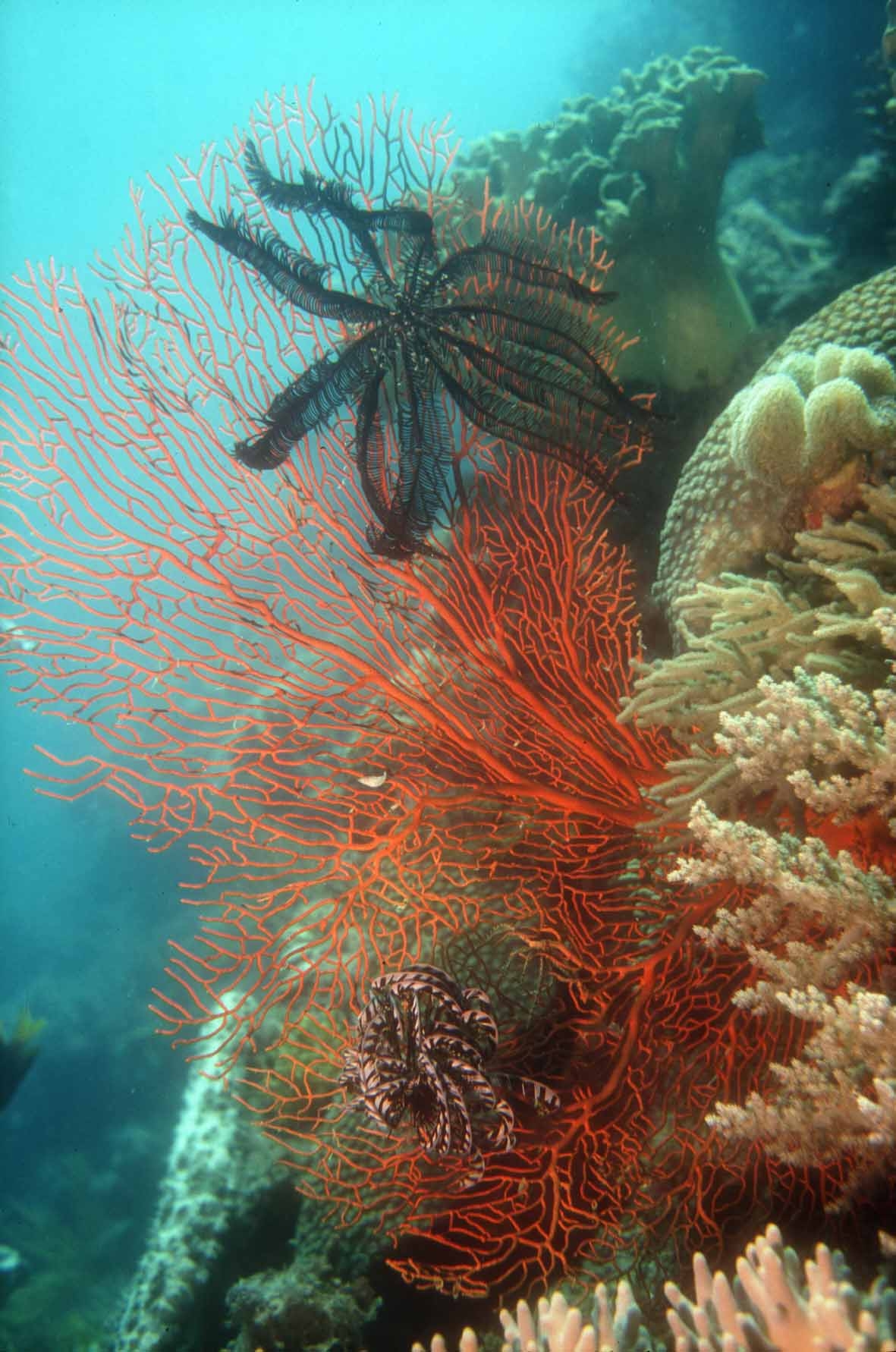
Coral reefs exist in more than 100 countries and territories, and although they only cover a small area of ​​the ocean floor, they support at least 25% of the ocean's species. Coral reefs contribute significantly to coastal protection, well-being, food and economic security for hundreds of millions of people.

However, coral reefs are among the most vulnerable ecosystems on earth and are threatened by climate change with rising temperatures and ocean acidification. At the same time, there are local impacts from land-based pollution, such as runoff from agriculture (nutrients and sediments), pollution, predatory fishing and destructive fishing methods.

The IBJ Foundation can support projects and initiatives in all countries with coral reefs. In order to achieve the greatest possible effect in its grant making, the Foundation will seek to support projects and activities in areas where coral reef ecosystems have great species richness and are at the same time threatened and under pressure. The Foundation can support data collection and research that contributes to the improvement and conservation of coral and similar ecosystems including mangroves and sea grass.

The IBJ Foundation can also support the development of local commercial activities, including tourism, that will improve and ensure the conservation of coral reef ecosystems. The Foundation will prioritize projects and activities that involve the local population in the conservation and management of the local coastal and marine natural resources.

The Foundation emphasizes that both women and men are involved on an equal footing in the execution of projects and similar activities. It will also be important that young men and women participate in projects supported by the IBJ Foundation with a view to creating sustainable jobs and income.

The Foundation can support a full project or co-finance larger or smaller parts of a project. The IBJ Foundation can enter into strategic partnerships with like-minded organizations regarding the execution of a project. A strategic partnership can help to create more results with less obligations for monitoring on the part of the Foundation.

The IBJ Foundation manages the project grants, including monitoring and project visits. In some cases the Foundation may use consultants with the necessary professional knowledge.

Ingvar Bundgaard Jensen Fonden

Grant allocation policy

 The IBJ Foundation is not an application fund and unsolicited applications will not be processed.

The IBJ Foundation only supports projects and activities that are in line with the foundation's purpose. The board can, on its own initiative, obtain proposals for projects that are in line with the foundation's objectives. All grant allocations are made through decisions made by the board.

The Foundation can only allocate funds to legal entities, i.e. NGO or other types of organizations.

Individuals cannot receive funds from the IBJ Foundation.

An organization with a project proposal, which has been considered for a grant, will go through an assessment process and due diligence. Such a process will require different types of documentation.

Project Support

    Protection and Management of Spiny Lobster and Queen Conch in the Bay Island of Honduras


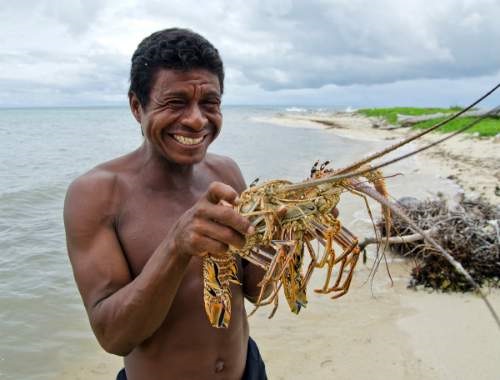
The project is a collaboration between Coral Reef Alliance and Roatan Marine Park to establish a baseline as a the foundation for measuring the effectiveness of restoring and managing spiny lobster and queen conch populations in Roatan, Bay Islands, Honduras. This support is in line with their shared interest to support building resilience of coral reefs and sustainable management of fisheries in the Western Caribbean including Honduras, Mexico, Belize and Guatemala.  Despite the functional ecological and economic importance of these species, information is lacking on their status in Roatan, Bay Islands, Honduras. Overfishing, illegal fishing, and devastating impacts to the resilience of coral reef ecosystems are symptoms of inadequate evidence-based policies and regulations, which are the primary causes of this situation. As a consequence, the need to assess the current status of these species is urgent, as it will lay the foundation for confronting reef and seagrass meadow declines in the Roatan and other parts of the Mesoamerican Barrier Reef System. The baseline data and information will also be mainstreamed into developing more coherent policies and robust management interventions resulting in measurable, transformative outcomes that include building and sustaining resilient populations of these species, while improving social and economic equity for coastal fishing communities.

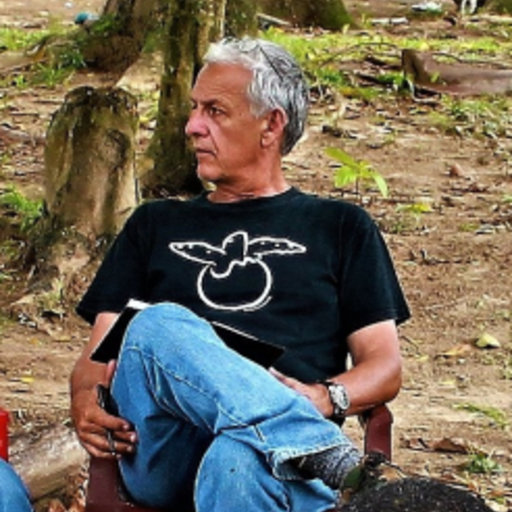
Joe Ryan is the scientific advisor for the IBJ Foundation. Joe Ryan is a marine biologist living on Bornholm. He has more than 30 years of experience in the management of coastal natural resources, including coral reefs, in Africa, Asia, the Pacific and Central America. He has been a consultant for the World Bank, UN, GEF, Danida, Inter-American Development Bank, UK Aid, and NGOs  

  More information and contact

IBJ Fonden
Filippavej 8
1928 Frederiksberg C

E-mail: info@ibjfonden.dk


Ingvar Bundgaard Jensen Fonden

© IBJ Fonden